
There’s something magical about the sweet aroma of coconut sticky rice mingling with the floral perfume of ripe mangoes on a warm summer evening. This beloved Thai dessert is the ultimate tropical treat—cool, creamy, and just the right amount of indulgent.
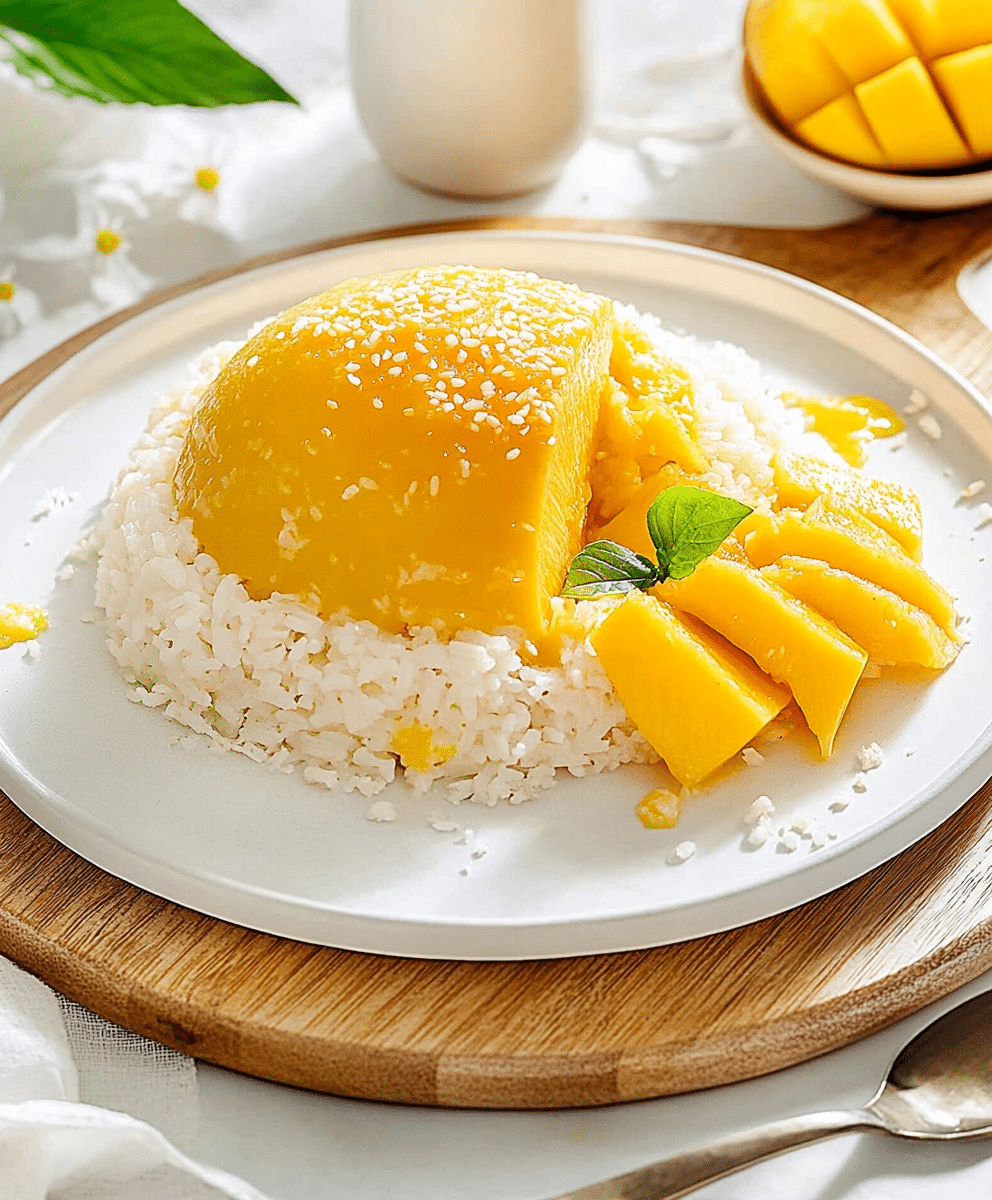
The first time I tasted mango sticky rice was at a night market in Bangkok, and I was instantly hooked. Since then, I’ve recreated it every summer using the ripest mangoes I can find. It’s quick, surprisingly easy to make at home, and always a crowd-pleaser after a BBQ or pool party.
The best part? You only need a handful of ingredients to whip it up, and it can be made ahead—ideal for entertaining or simply treating yourself on a hot afternoon. Let’s dive into what makes this recipe so special.
Why You’ll Love This Summer Mango Sticky Rice Dessert
This isn’t just a dessert—it’s a mini vacation in a bowl. Whether you’re new to Thai cooking or a seasoned fan of Southeast Asian flavors, this dish delivers unforgettable results with minimal effort.
It’s incredibly easy to make. While the name might sound fancy, the process is very straightforward. Most of the prep time is passive, and the results are stunning every time—even if you’ve never worked with sticky rice before.
Perfect for summer. Cold mango slices paired with warm, sweet coconut sticky rice make for a refreshing contrast that hits just right on a hot day. It’s light yet satisfying and doesn’t weigh you down after a meal.
Great for guests. This dessert looks beautiful on a plate—golden mango fanned out over glistening rice, with coconut sauce drizzled on top. It’s elegant enough for dinner parties and casual enough for family night.
Naturally gluten-free and vegan. No need for substitutions or special ingredients. It’s made with rice, coconut milk, sugar, and fruit—clean and simple, with flavors that shine.
If you’ve ever wanted to bring a bit of Thai sunshine into your home, this dessert is the perfect place to start.
Ingredients Notes
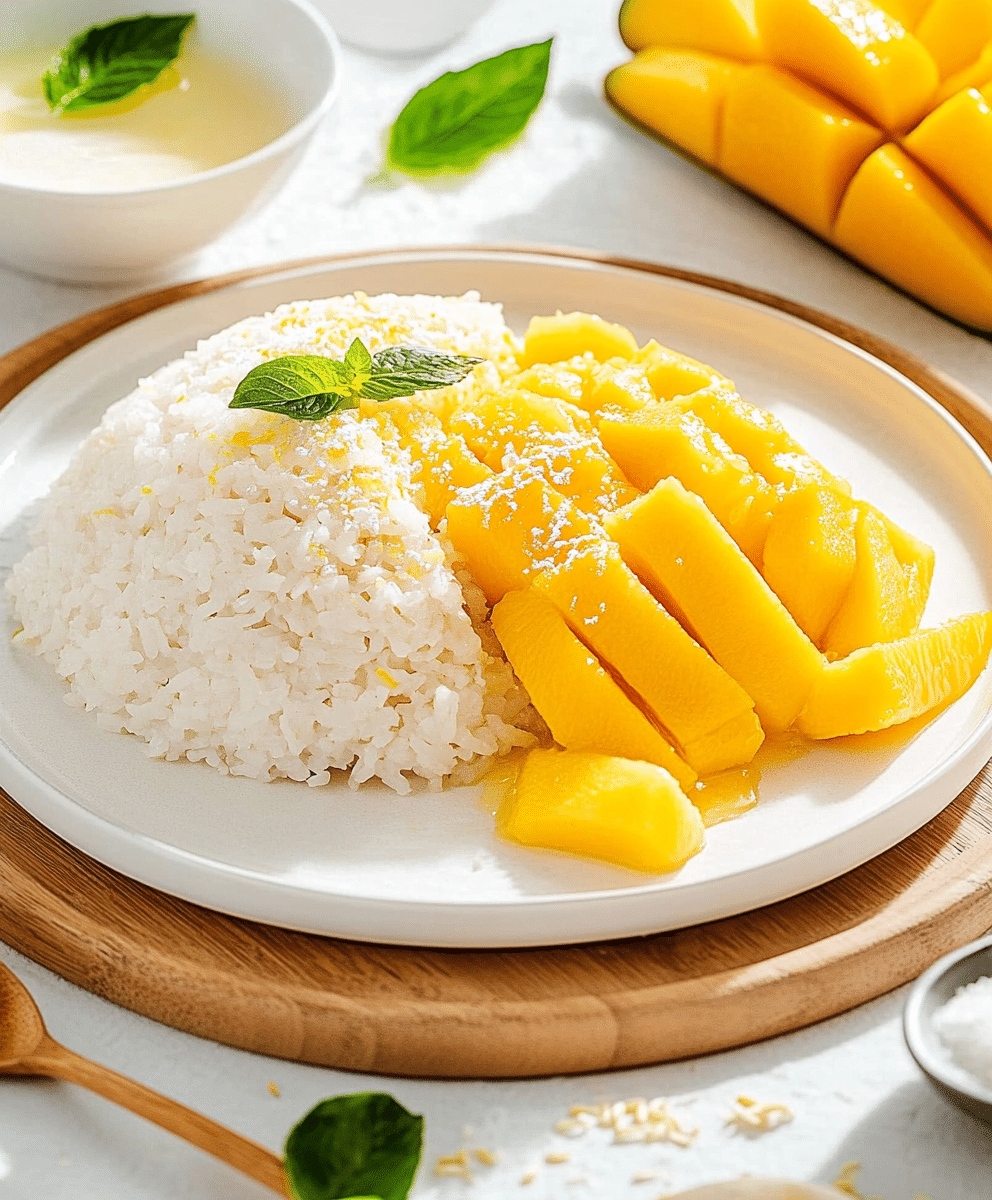
One of the best parts of this dish is its simplicity—each ingredient shines on its own and comes together to create something truly special.
Glutinous rice (aka sticky rice) is the base of this dessert. It’s different from regular white rice—short-grained and opaque, it turns chewy and sticky when steamed. You can find it in most Asian grocery stores or online. Don’t substitute with sushi rice or jasmine rice; they won’t give the same sticky, elastic texture.
Full-fat coconut milk adds the creamy richness that makes this dessert irresistible. Be sure to use the canned variety, not the kind meant for drinking. You’ll use some to soak the rice and some for the silky coconut sauce poured over the top.
Fresh mangoes are the star of the show, so choose ripe ones with vibrant yellow-orange flesh. Ataulfo or champagne mangoes are ideal—they’re sweet, juicy, and have very few fibers. If you're prepping ahead, store them in the fridge whole, and slice right before serving for the best texture and taste.
Granulated sugar and a pinch of salt are added to the coconut milk to balance the sweetness and elevate the natural flavors. The salt might seem minor, but it’s key to making the dessert more complex and less one-note.
If you have one, a bamboo steamer is traditional and works beautifully for sticky rice, but you can also use a fine-mesh sieve set over a pot of boiling water. A cheesecloth helps keep the rice from falling through the holes while allowing steam to circulate evenly.
How To Make This Summer Mango Sticky Rice Dessert
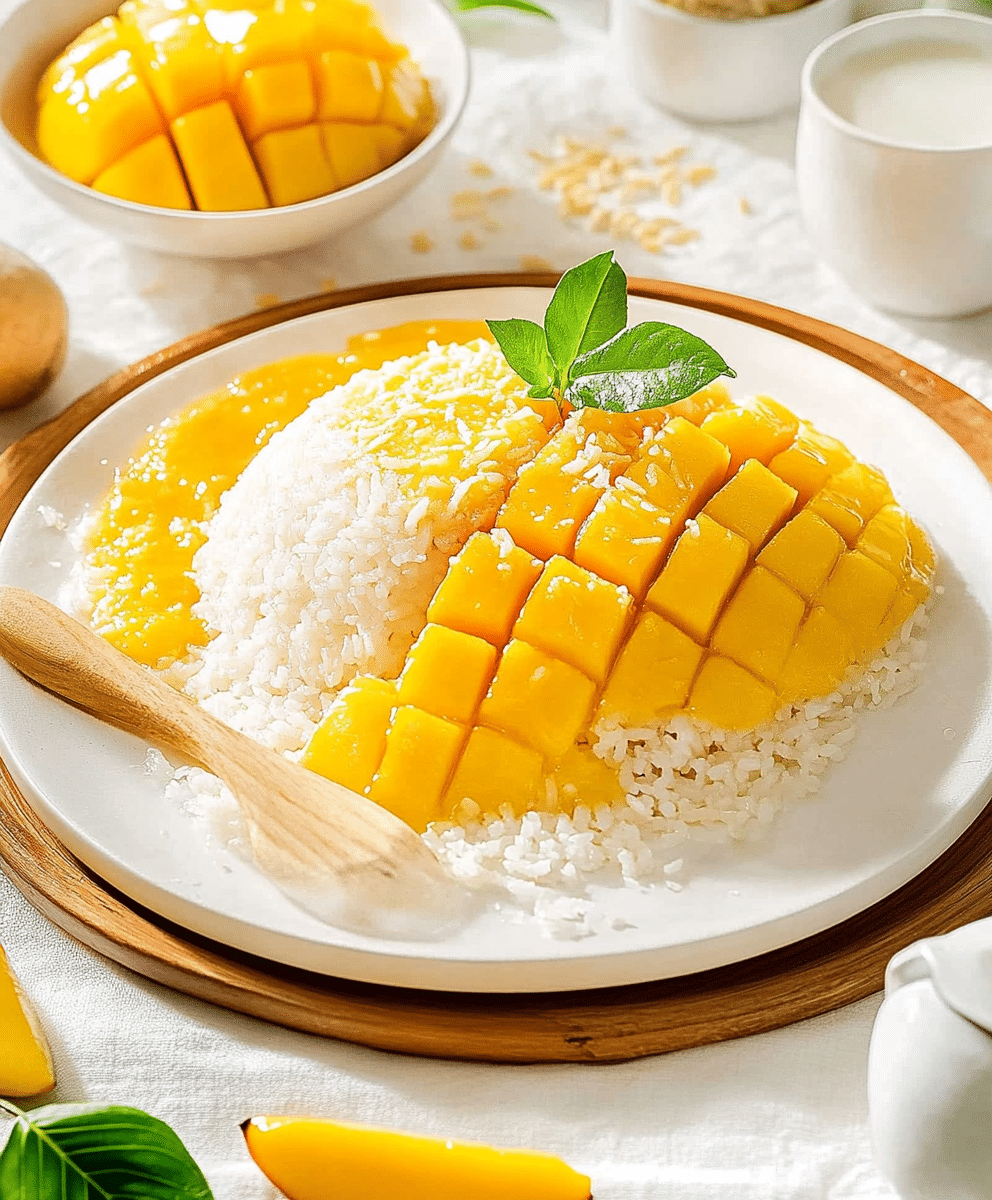
Making mango sticky rice at home is easier than you think, and the steps can be broken down into manageable parts with plenty of time to prep the mangoes and sauce in between.
Start by rinsing your glutinous rice several times in cold water until the water runs mostly clear. This removes excess starch and keeps the rice from turning gummy. Soak the rinsed rice in water for at least 4 hours—or overnight if you’re planning ahead. This ensures even cooking when it’s time to steam.
Once soaked, transfer the rice to a steamer lined with cheesecloth or a clean kitchen towel. Steam over simmering water for 25 to 30 minutes, flipping the rice halfway through if possible. It should be sticky but not mushy when done. While it steams, you can prepare the coconut sauce.
In a small saucepan, combine coconut milk, sugar, and a pinch of salt over low heat. Stir just until the sugar dissolves and the mixture is warm. Do not let it boil—it can separate. Once the rice is finished steaming, immediately pour most of this coconut mixture over it while it’s still hot. Cover and let it sit for 20-30 minutes to absorb the sweet coconut flavor.
For the topping sauce, warm a smaller portion of the remaining coconut milk with a teaspoon of cornstarch stirred in. Heat gently until slightly thickened—this creates that classic glossy finish you drizzle over the finished dessert.
To serve, slice your ripe mangoes into thin, neat pieces. Spoon a portion of coconut sticky rice onto a plate, fan out the mango slices alongside, and drizzle with the thickened coconut sauce. Sprinkle with sesame seeds or mung beans if desired for texture and color.
From start to finish, this process takes about 45 minutes (not counting soaking time). The final dish is fragrant, luscious, and worth every step.
Storage Options
This dessert is best enjoyed fresh, especially the mango, which can lose its texture if cut too far in advance. However, you can still make parts of it ahead to save time.
Store any leftover sticky rice in an airtight container in the fridge for up to 3 days. It may harden slightly, but reheating it gently with a splash of coconut milk will restore its soft, sticky texture.
Keep unused coconut sauce separately in a small jar or container. It also keeps for 3-4 days and can be gently rewarmed on the stove or in the microwave before serving.
Mango slices are best cut fresh right before serving, but if needed, they can be stored in a sealed container in the fridge for 1 day. Just be aware that they may release juice and become slightly softer.
To reheat sticky rice, place it in a microwave-safe bowl with a spoonful of water or coconut milk. Cover with a damp paper towel and microwave in 30-second bursts until soft and warm again.
Variations and Substitutions
One of the reasons I keep coming back to this dessert is how versatile it is. With a few simple swaps, you can make it your own or adapt it to whatever you have on hand.
If you can’t find glutinous rice, you can try using Japanese mochigome (sweet rice), which gives a similar texture. However, regular jasmine rice will not work in this recipe—it lacks the sticky chew that makes the dish so special.
For a fun twist, try using black glutinous rice. It adds a nutty flavor and dramatic color contrast with the golden mango. You may need to adjust cooking time slightly, as black sticky rice can take longer to soften.
No fresh mangoes? Frozen mango chunks work in a pinch—just thaw and slice carefully. Or switch it up entirely by using pineapple, lychee, or strawberries for a tropical mix.
To add extra crunch and flavor, top with toasted sesame seeds, shredded coconut, or mung beans. These add a fun texture contrast and make the dessert feel extra-special.
Don't be afraid to get creative. The base of sticky coconut rice is a blank canvas for fruity summer flavor combinations that go beyond the classic mango.
PrintSummer Mango Sticky Rice Dessert Recipe
This Summer Mango Sticky Rice Dessert recipe blends sweet ripe mangoes with creamy coconut sticky rice for a tropical Thai-inspired treat. Made with glutinous rice, coconut milk, and fresh mango, it's a deliciously refreshing dessert perfect for warm-weather gatherings. Great for vegan and gluten-free diets!
- Prep Time: 4 hours
- Cook Time: 30 minutes
- Total Time: 4 hours 30 minutes
- Yield: 4 servings
- Category: Dessert
- Method: steaming
- Cuisine: Thai
- Diet: Vegetarian
Ingredients
-
1 cup glutinous (sticky) rice
-
1 ½ cups coconut milk
-
⅓ cup sugar
-
¼ tsp salt
-
2 ripe mangoes, peeled and sliced
-
1 tbsp toasted sesame seeds or mung beans (optional for garnish)
Instructions
-
Rinse sticky rice in water several times until the water runs clear.
-
Soak the rice in water for at least 4 hours or overnight.
-
Steam the soaked rice for 20–25 minutes until tender.
-
In a saucepan, heat the coconut milk, sugar, and salt until dissolved (do not boil).
-
Reserve ¼ cup of the coconut sauce for topping.
-
Combine the cooked rice with the remaining coconut milk, cover, and let sit for 30 minutes.
-
Plate the sticky rice with mango slices, drizzle with reserved coconut sauce, and garnish if desired.
Notes
-
Use Thai glutinous rice for best texture.
-
Fresh, ripe mangoes (like Ataulfo or Nam Dok Mai) enhance flavor.
-
Can be served warm or chilled.
-
Make ahead and chill for up to 24 hours.
Nutrition
- Serving Size: 1 serving
- Calories: 360 kcal
- Sugar: 18 g
- Sodium: 90 mg



Leave a Reply